the liminal caste
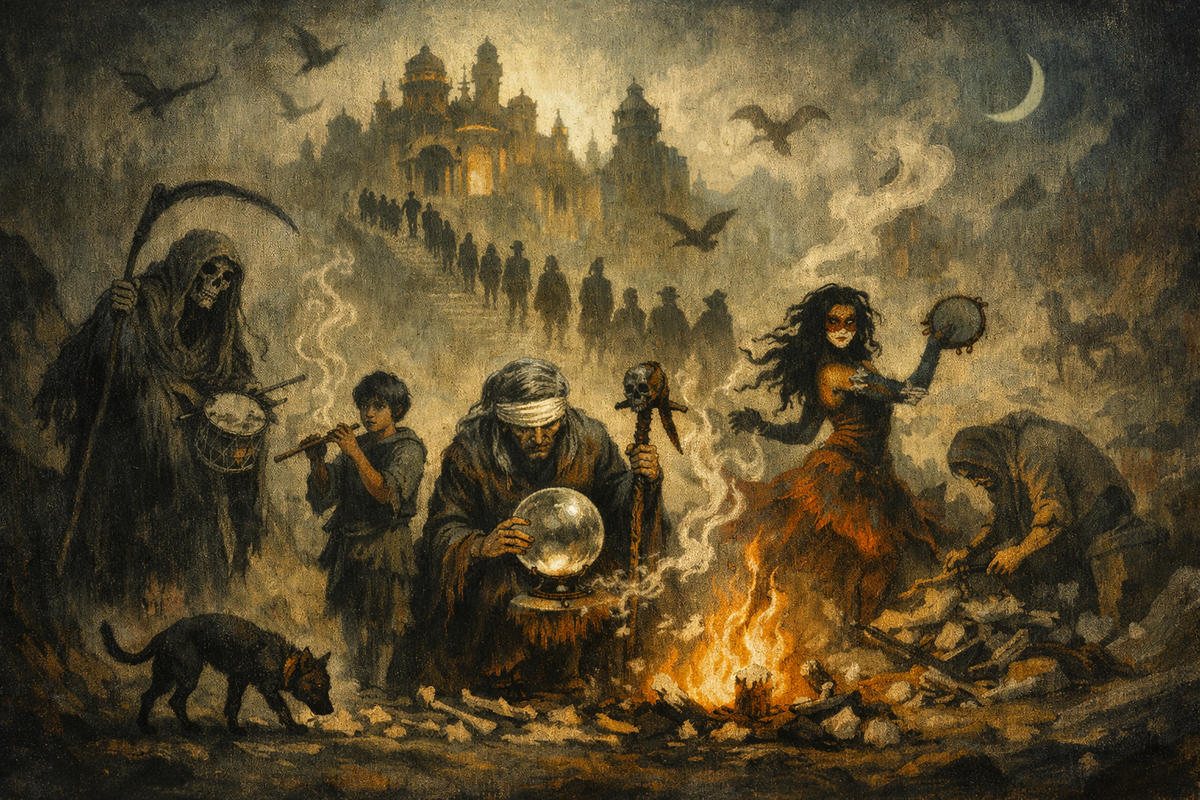
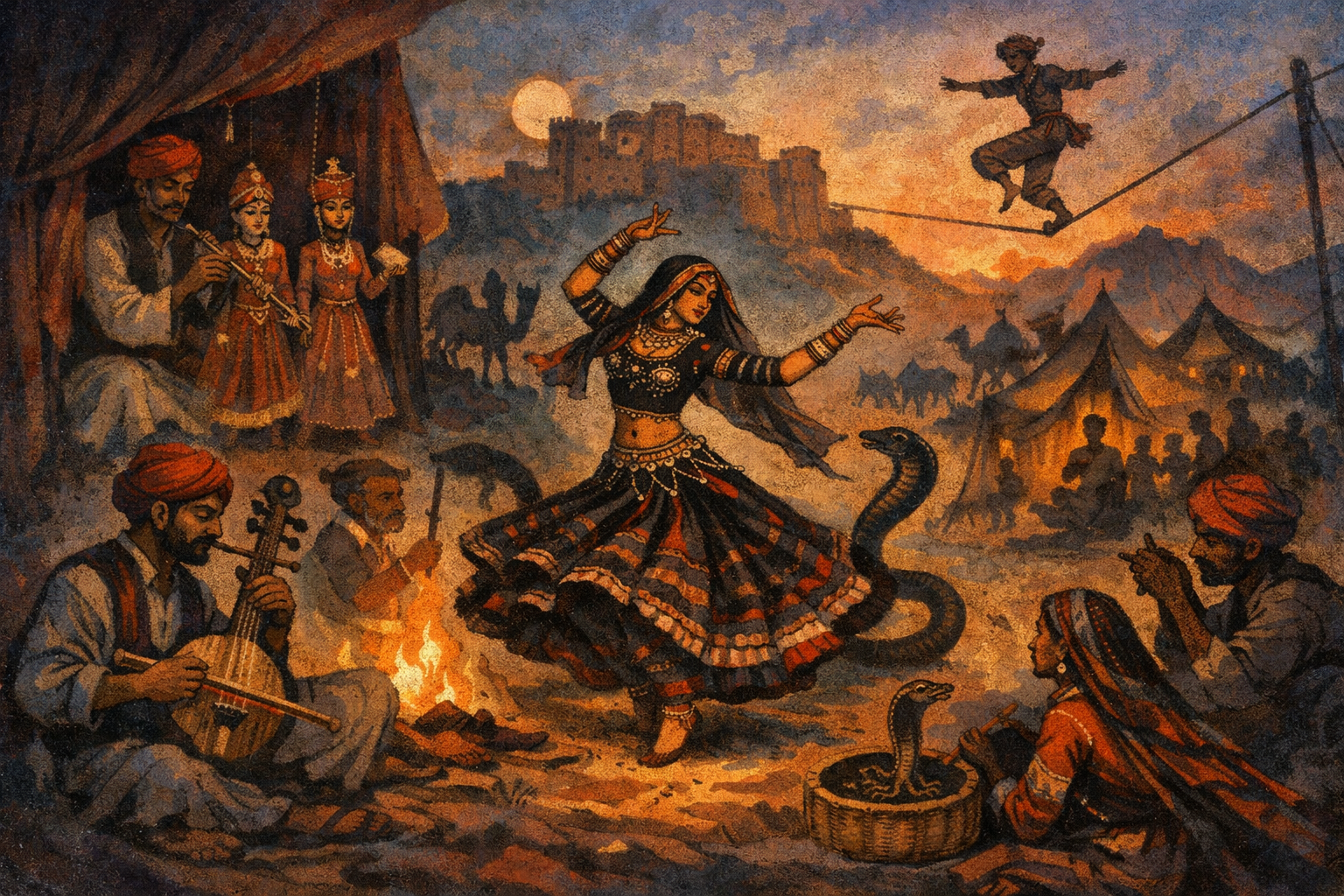
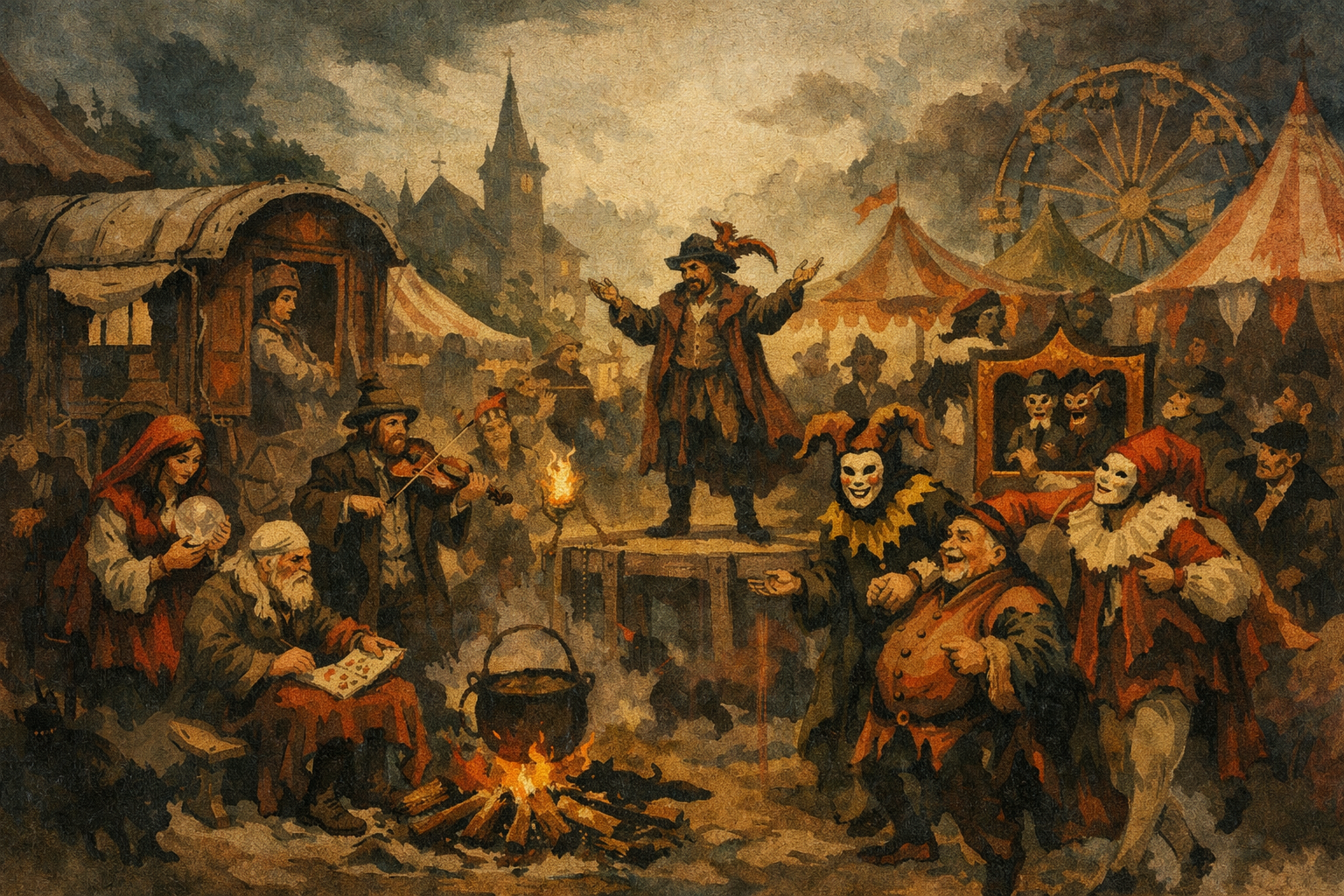
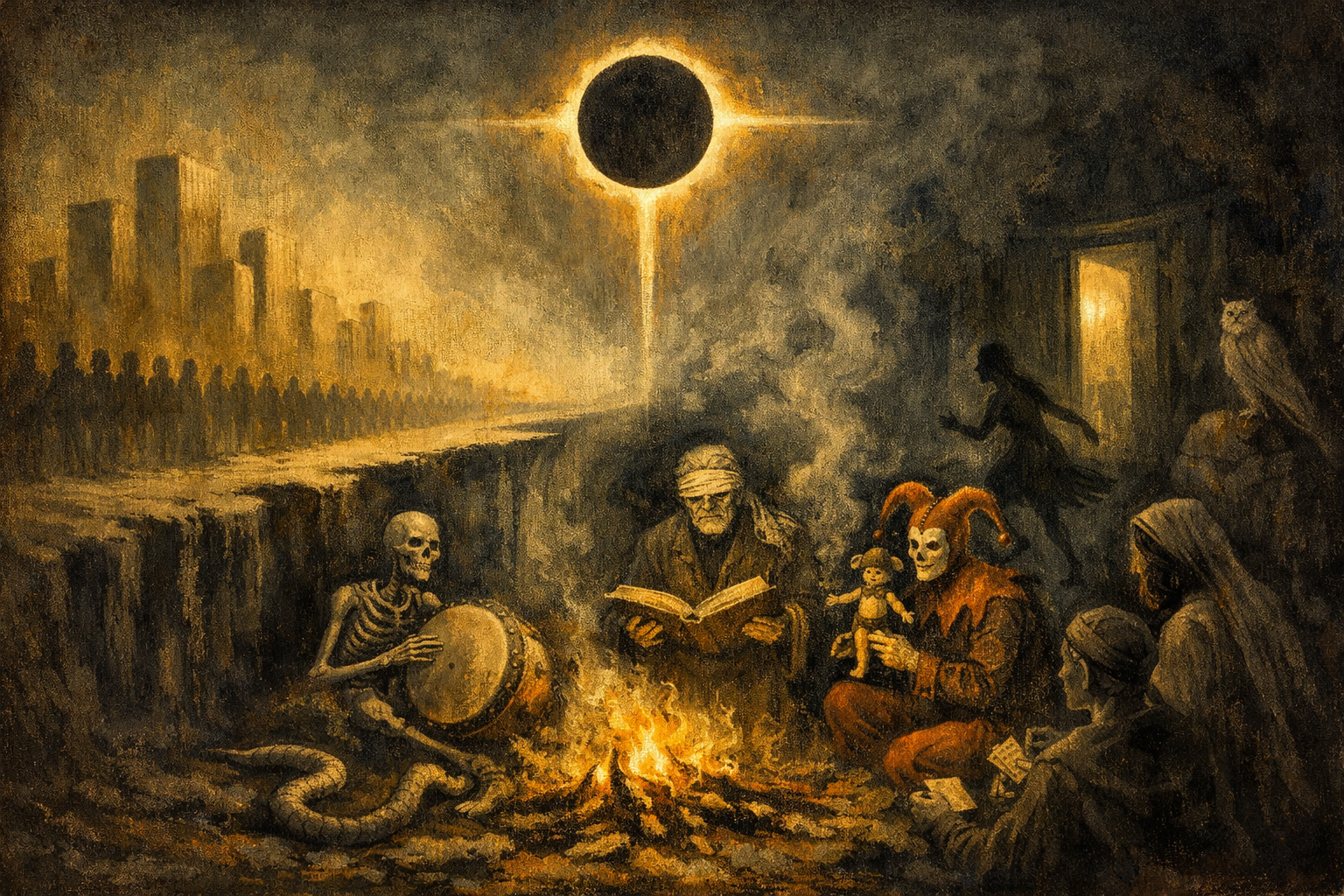
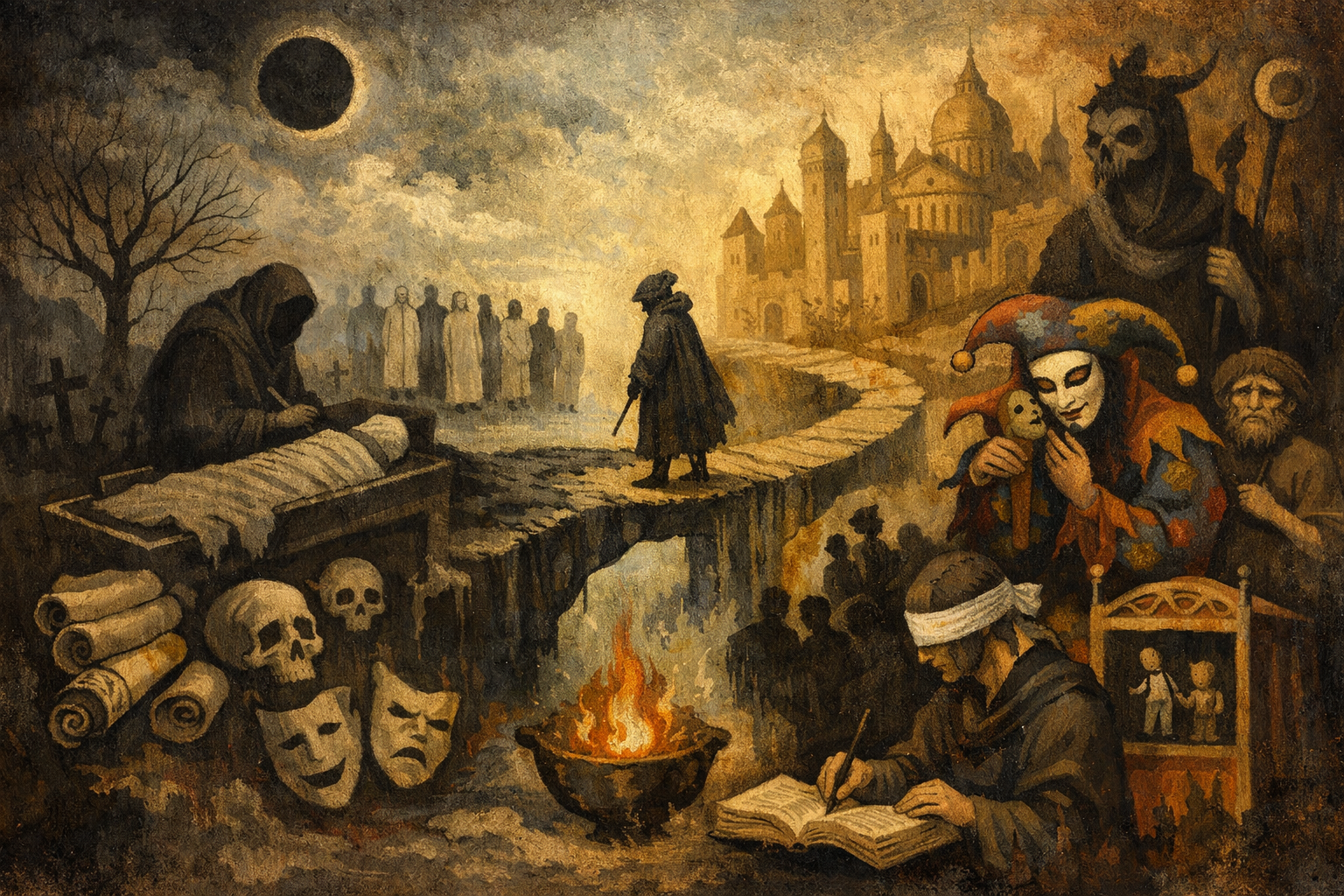
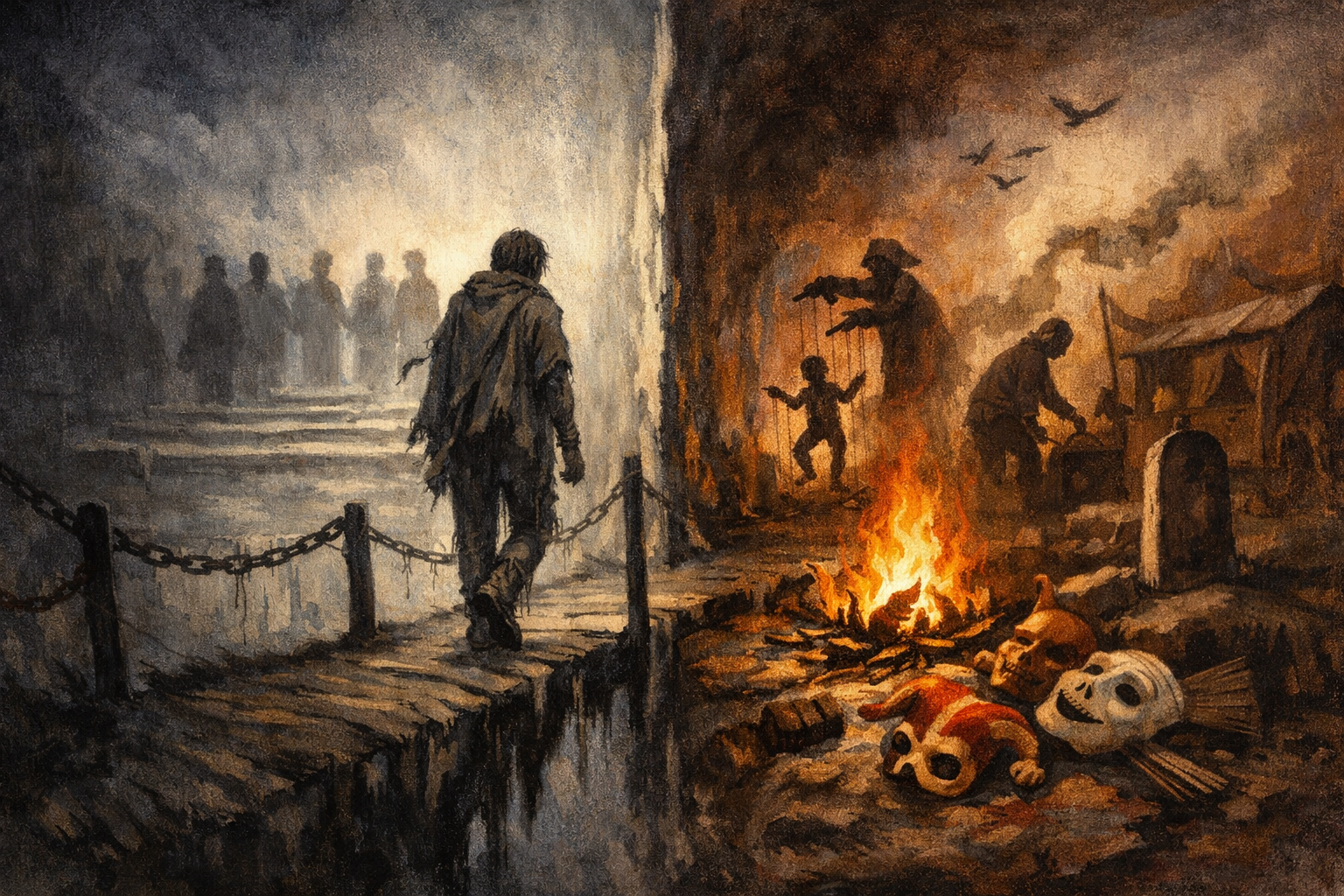
every stratified society in human history has produced the same figure. a caste of people who do the work the society cannot admit it needs: death, memory, performance, prophecy, music, waste, spiritual mediation. they sit outside the normal social hierarchy, which gives them two things at once. the freedom to say what the ordinary cannot. the stigma of being considered unclean, dangerous, or untrustworthy. every civilization sooner or later discovers that it cannot function without them and cannot fully admit that it needs them.
this is a research series about why that keeps happening.
i came to it along three converging trails. the first is the neurobuddha material i have been working on for some time now, a book about unmasking, authentic affect, and what contemplative traditions have actually been pointing at when they point past the surface. the second is research around esalen and the human potential movement, about other ways of knowing that the post-war therapeutic establishment alternately absorbed and banished. the third is a longer-standing interest in how cultures construct a stable other, what that other is for, and what happens when the function is erased rather than renamed. all three trails pointed at the same figure from different angles. this series is an attempt to look at the figure directly.
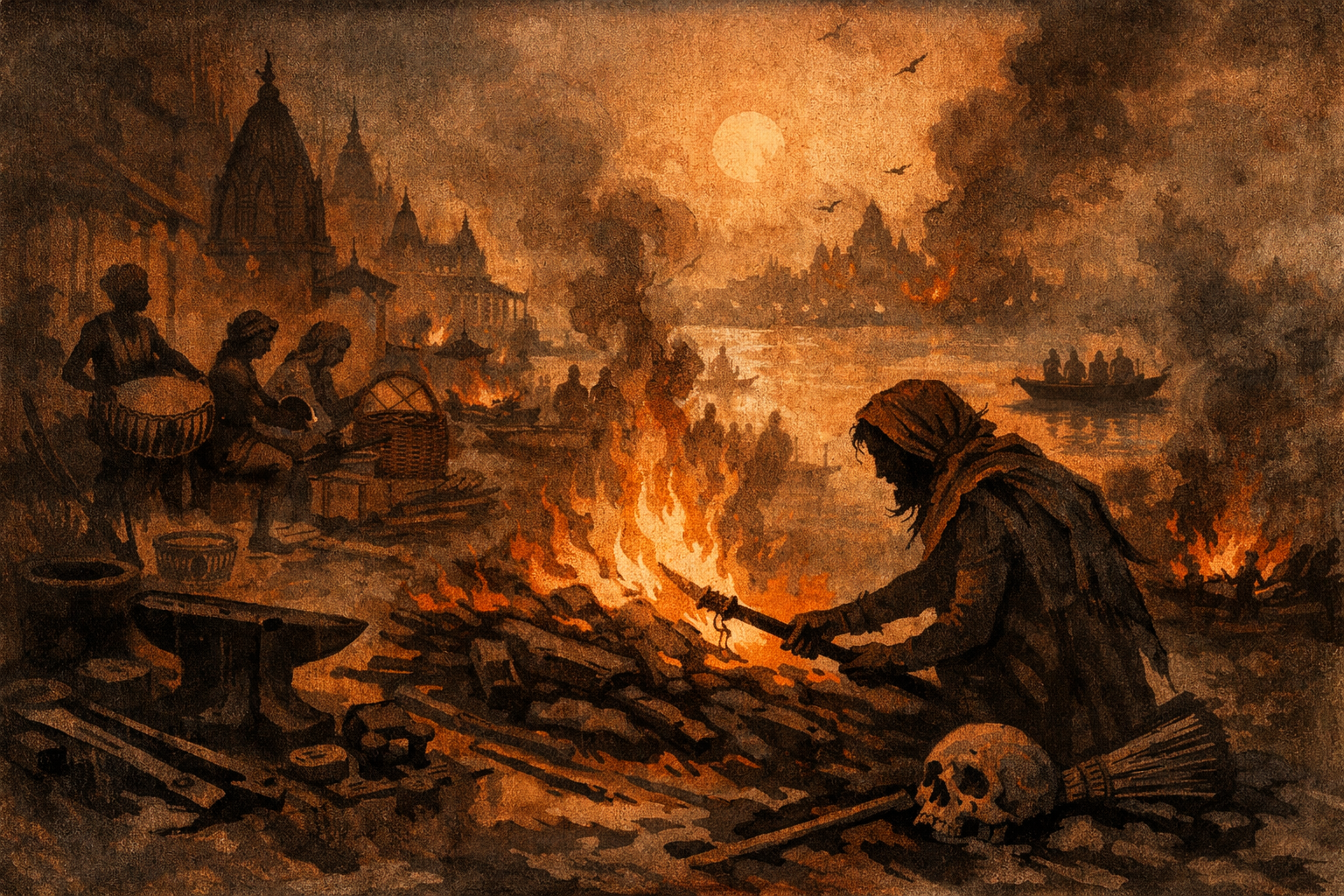
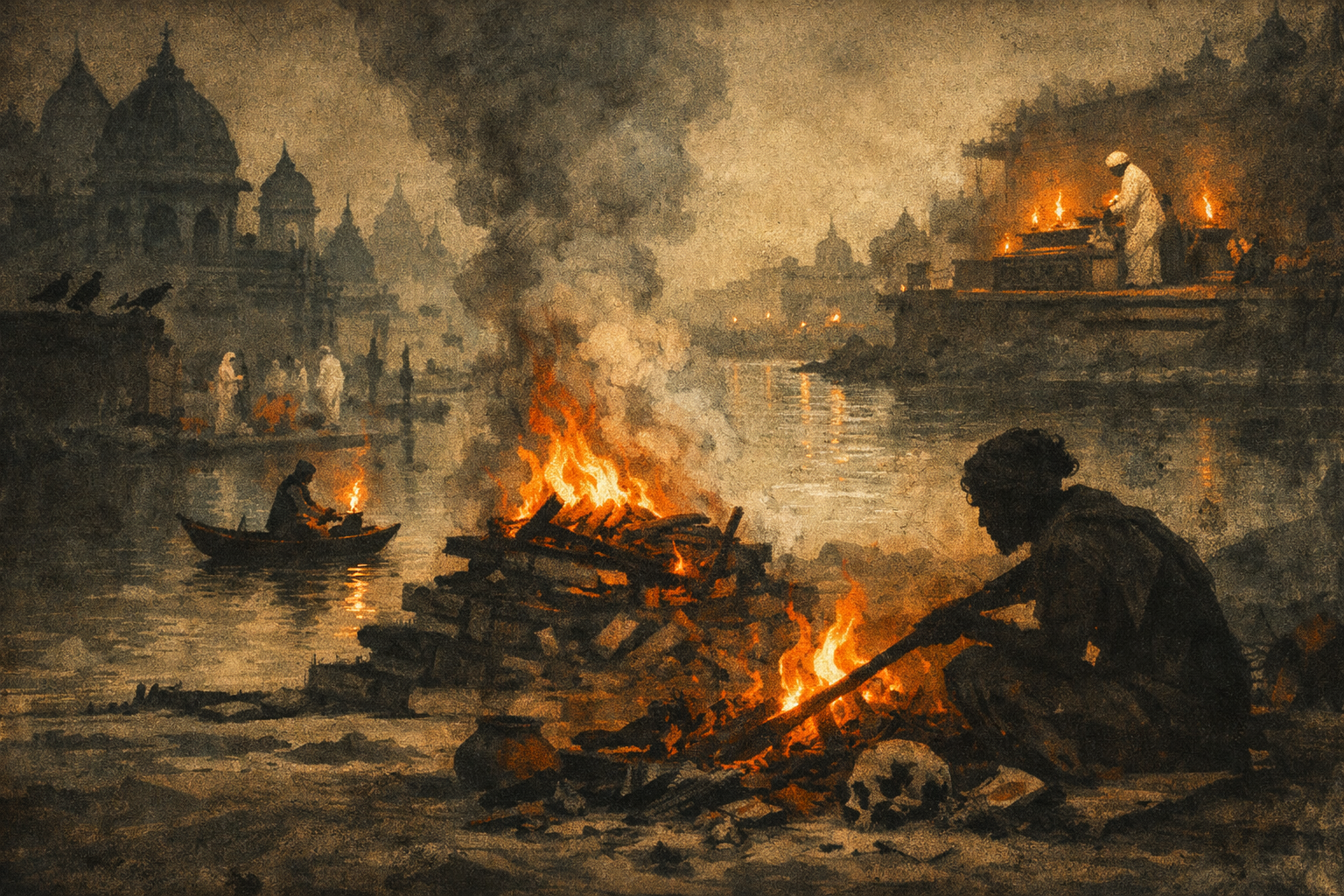
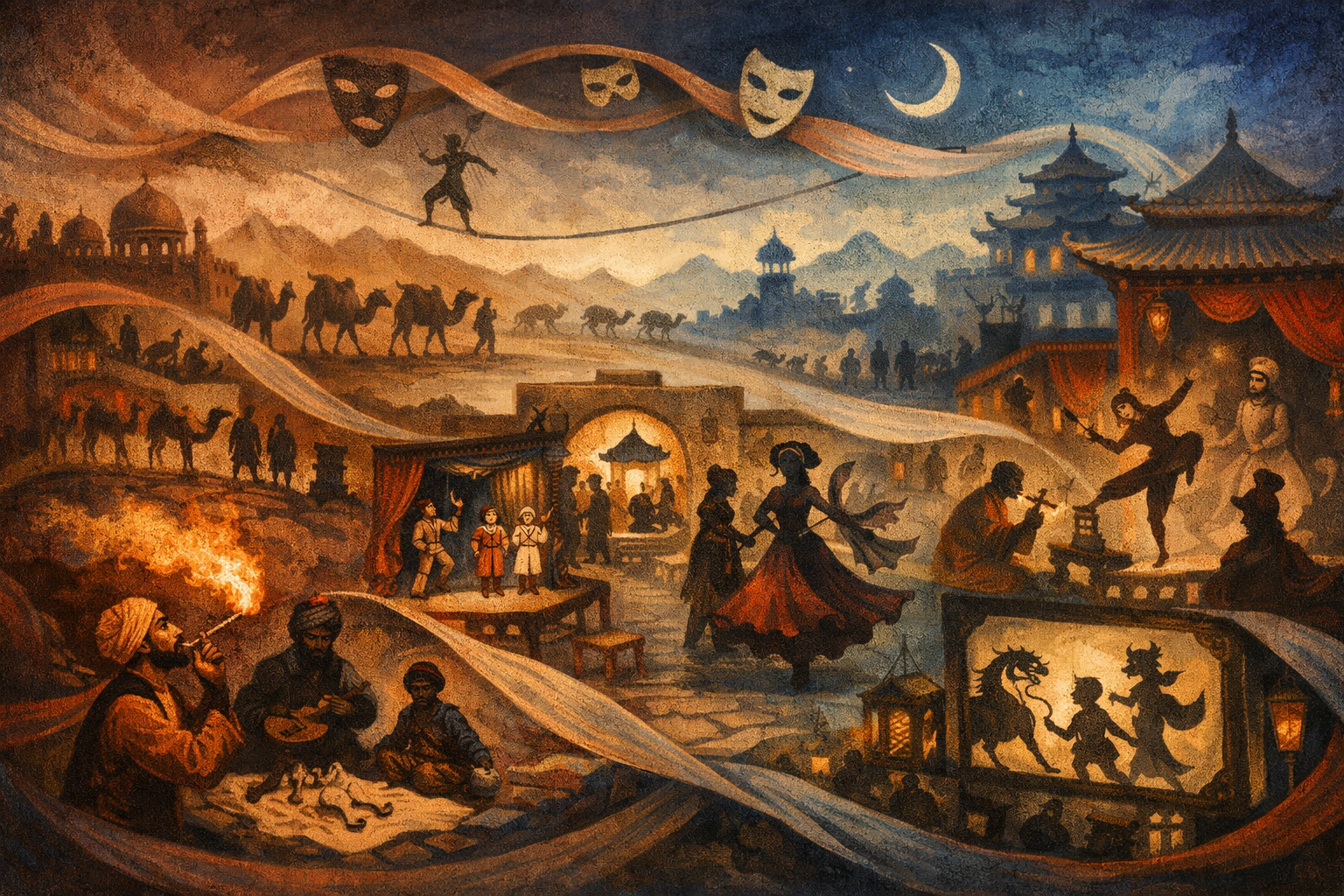
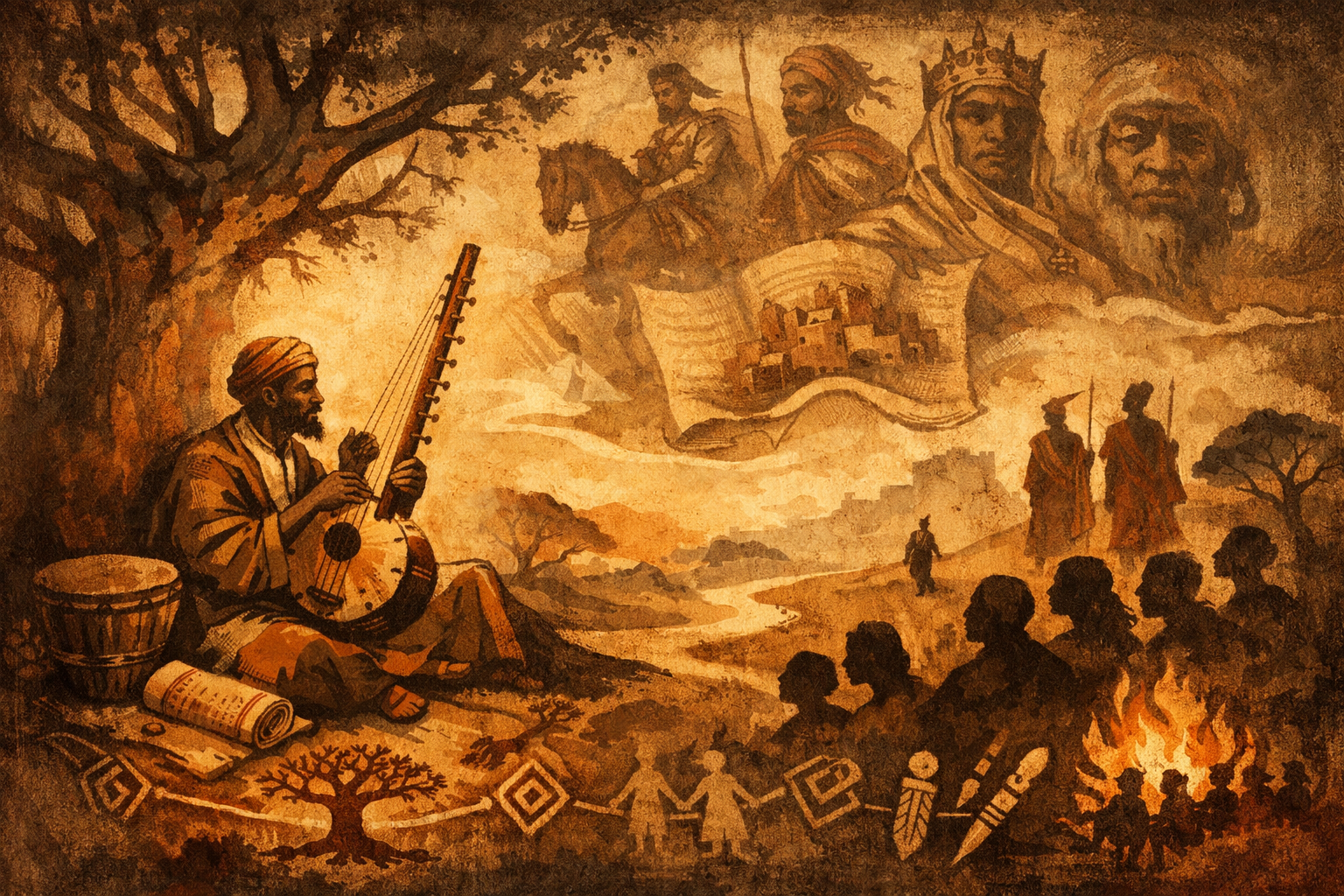
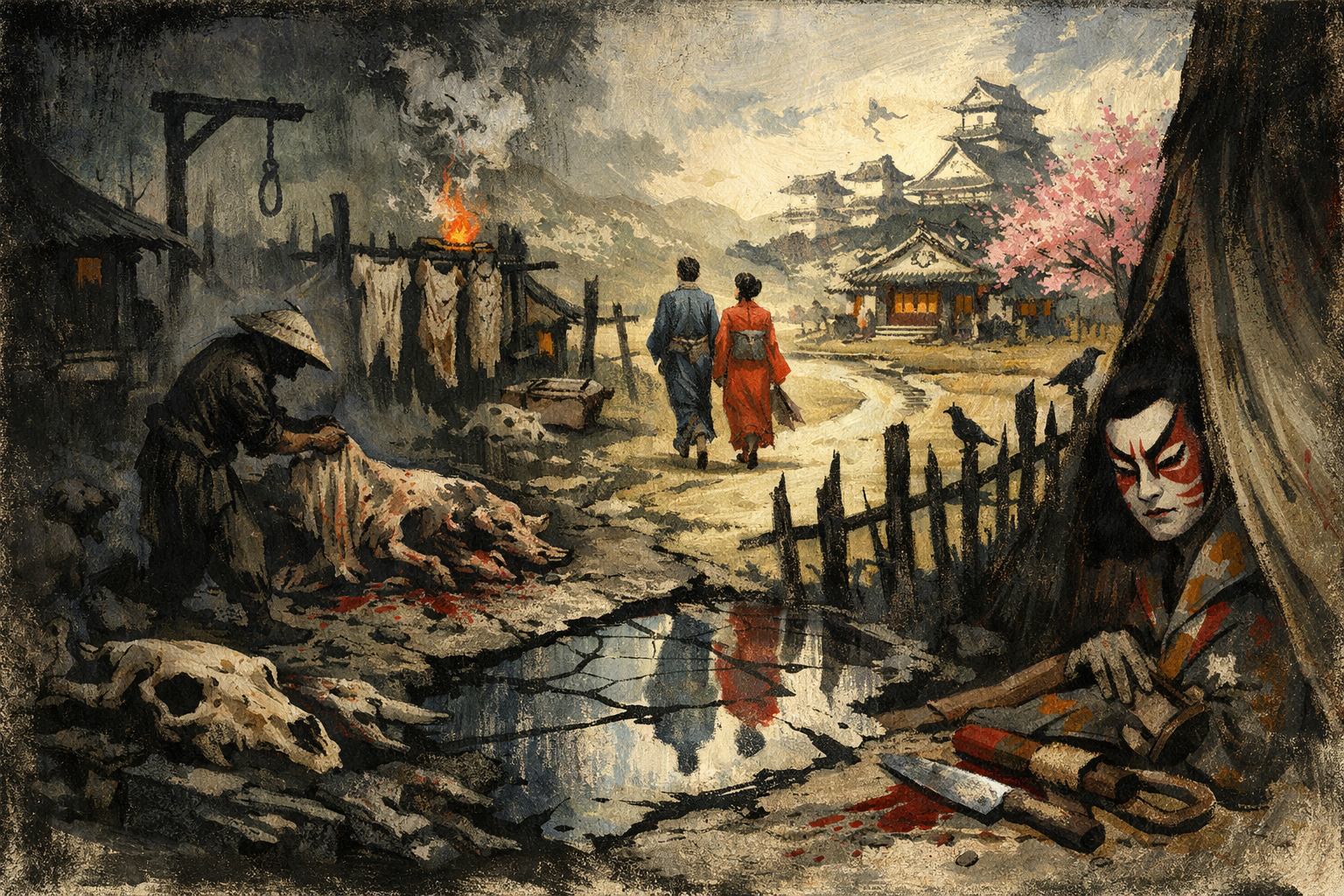
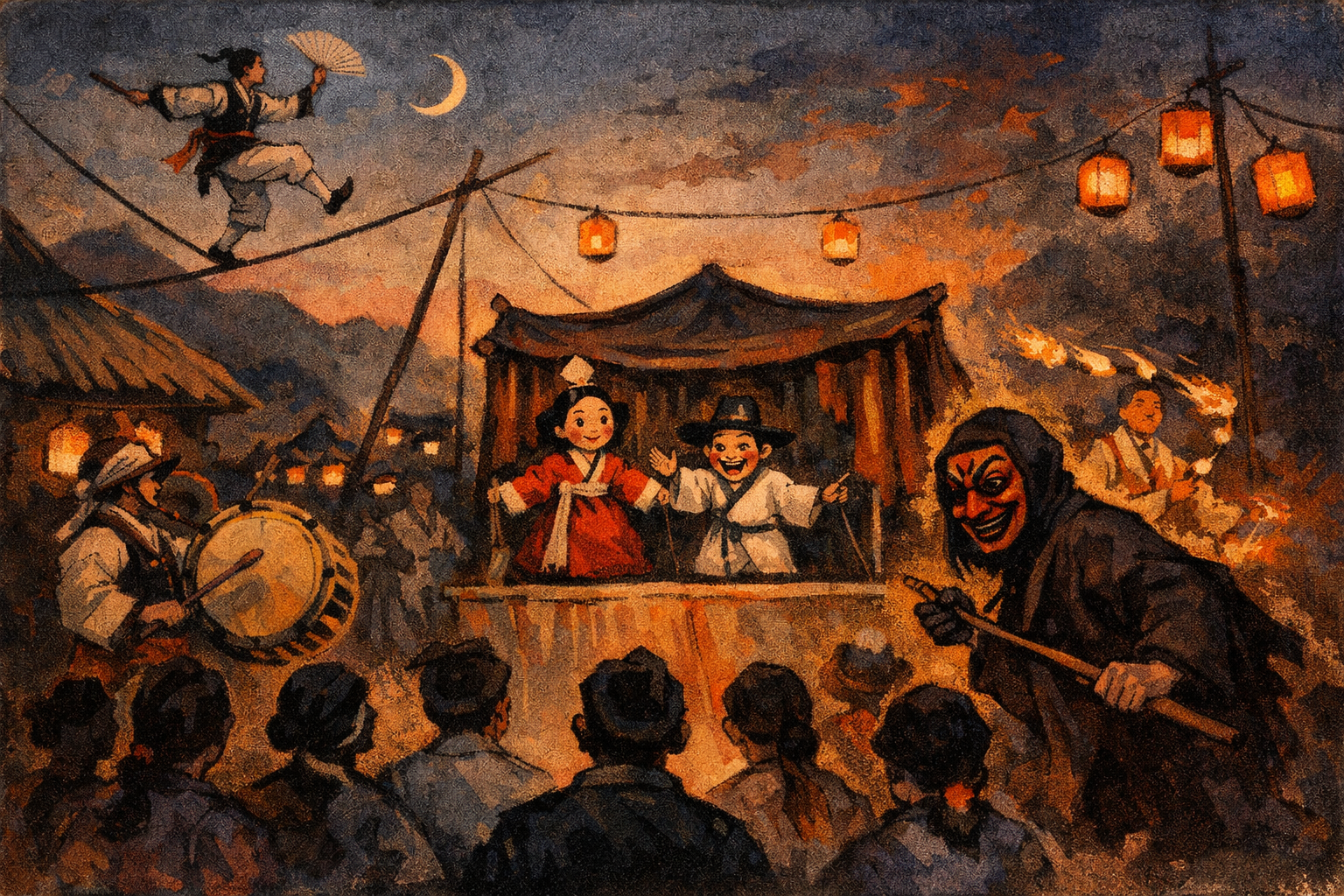
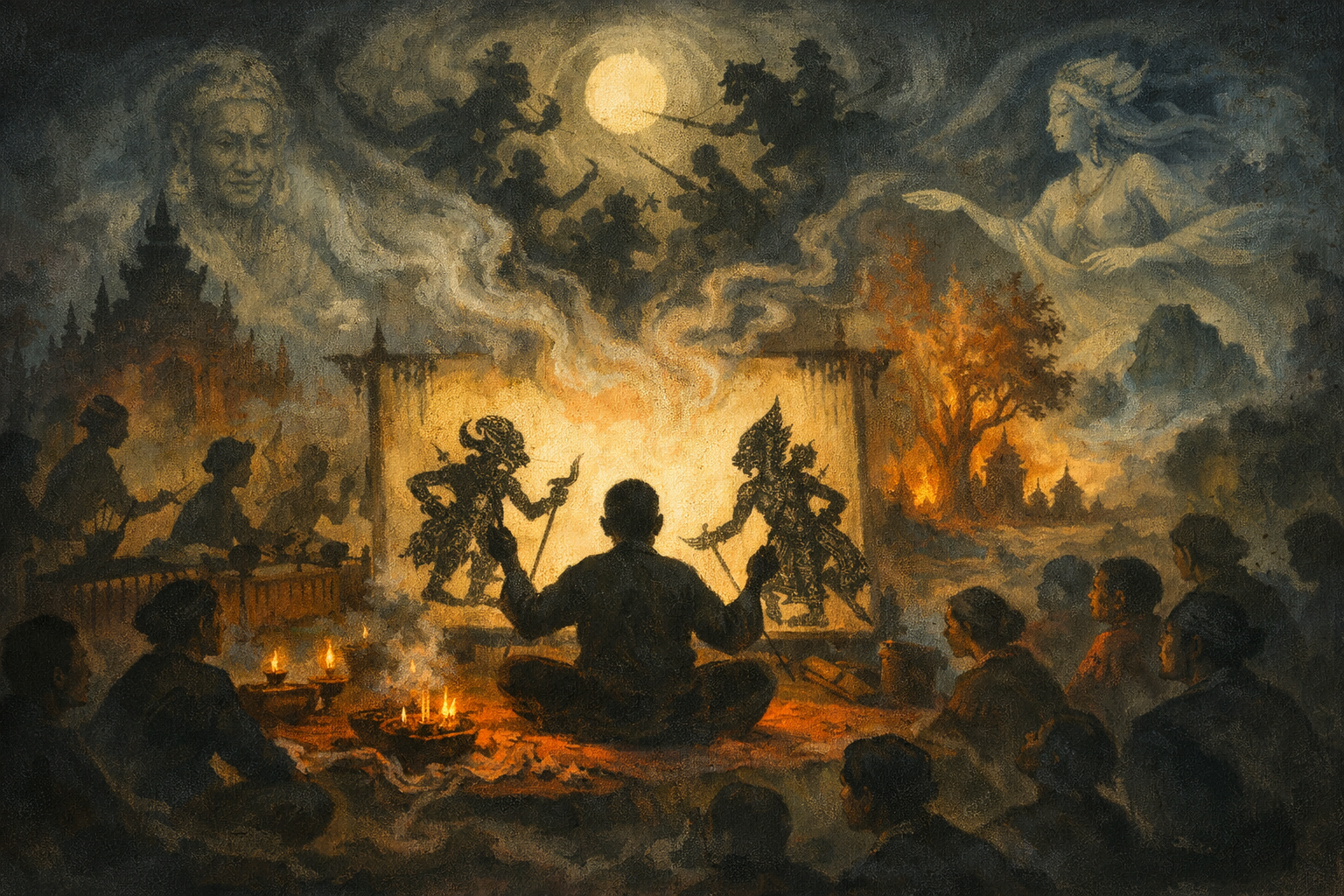
the most documented case is the Dom caste of northwestern india, whose linguistic descendants became the Lom of the caucasus and anatolia and the Rom of europe; the longest surviving trail of the archetype anywhere. but the pattern is cross-civilizational. the Burakumin of japan developed the same structural position independently. the Griot of west africa, the Namsadang of korea, the wayang dalang of indonesia, the european carnival tradition; all distinct developments of a single structural figure. the series works the detail case by case and then asks the structural question directly.
nineteen essays. the sequence starts with the Dom caste and the paradox of the untouchable as spiritual specialist, moves outward through the transmission histories and comparative case studies, then turns to mechanism, cost, theology, and the modern condition.
The Series