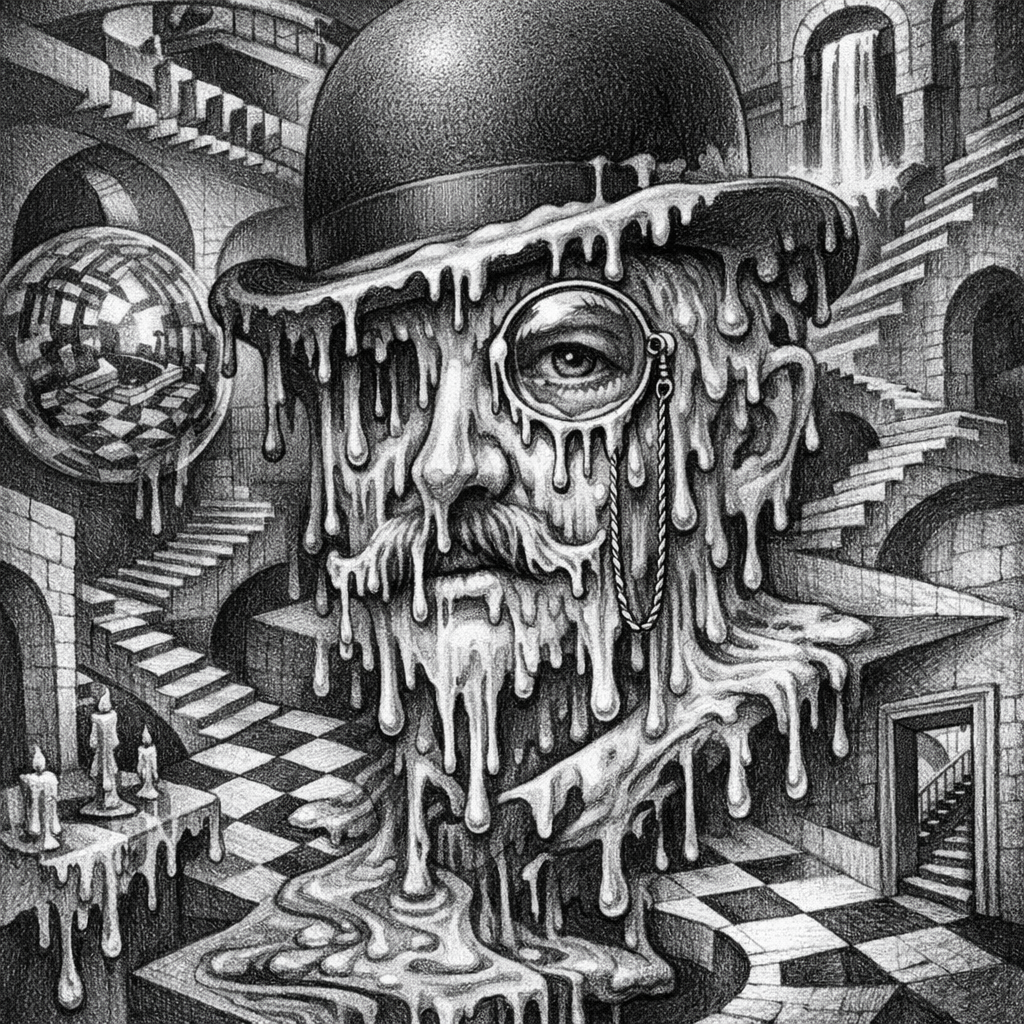
the freedom and the stigma are the same thing
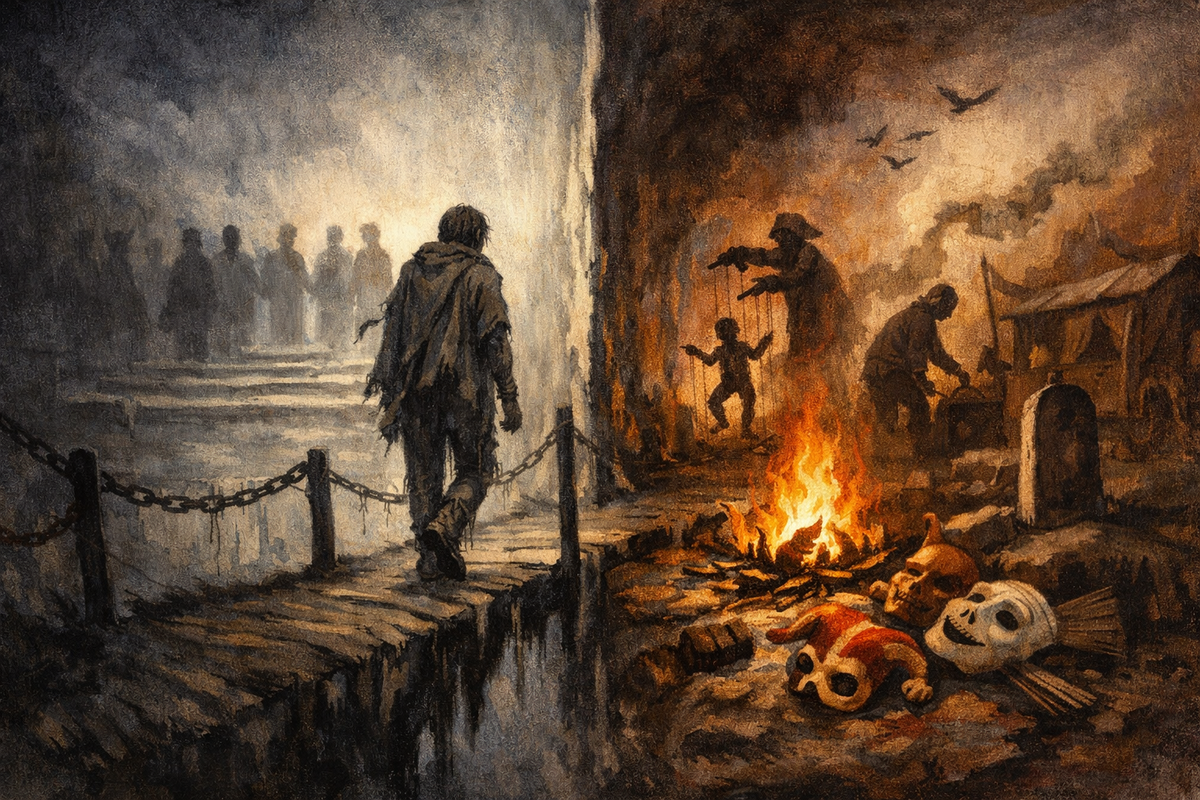
there is a sentence this series has been circling for several essays now, and it needs to be said without euphemism. the liminal figure can do what the ordinary insider cannot do because the liminal figure is not fully inside. that distance is experienced, from the side of the center, as stigma. from the side of function, it is experienced as permission. the two are not separable. they are the same structural fact given opposite emotional readings.
that is a hard sentence to hear because one immediately wants to moralize it into either romance or condemnation. either the outsider is secretly free in a glamorous sense, or the outsider is only oppressed and any talk of freedom is a betrayal. both reactions miss the mechanism. i am not saying stigma is good. i am saying the role requires distance from the binding obligations of the center, and societies often produce that distance in the crudest way available: by marking the carrier as other.
once marked, the carrier can handle things the insider cannot safely handle. the cremation worker can touch the corpse. the fool can speak the humiliating truth. the puppeteer can ridicule rank. the Griot can remember across noble vanity. the itinerant troupe can suspend hierarchy because it will move on. the dalang can speak from a ritual office ordinary village life does not distribute equally among all. if any of these figures were fully absorbed into the center, their angle would change and some part of the function would become unusable.
access purchased by distance
the first side of the paradox is access. the liminal figure often knows more, sees more, hears more, and can say more because the liminal figure is not required to uphold the center’s self-image in quite the same way as the fully included insider. the outsider can move between zones. households, thresholds, back rooms, roads, festival grounds, cremation sites, rumor networks, courts, market spaces, grief scenes. the outsider is admitted where needed and disowned where convenient.
that unstable access is not an accidental byproduct. it is the role. one cannot both belong completely to the center and maintain the same freedom of movement across its contradictions. insiders are bound by rank, decorum, reputation, inheritance, and the need to preserve their place. the liminal figure’s place is already unstable, and instability becomes operational range.
stigma as the price of range
the second side is the price. societies do not usually grant this range generously. they secure it through stigma, legal inferiority, contamination language, and the social memory of difference. call the figure polluted, ridiculous, low, vagabond, superstitious, theatrical, unclean, improper, suspect; once the mark settles, the figure can be kept near enough to use and far enough to blame.
that is why so many of these roles feel double from the inside of the archive. the same person is needed at the wedding and unfit for marriage into the center. needed at the funeral and unfit for ordinary honor. welcomed at festival time and excluded in everyday status. paid for performance and denied dignity. what looks hypocritical is more precise than hypocrisy. it is a status arrangement built to extract a function while keeping the extractive relation morally deniable.
why full inclusion would alter the function
this is the part modern reform language often skips because it sounds too close to concession. full inclusion is morally desirable; that is not in doubt. but structurally, full inclusion into the old order would alter the old function. if the fool becomes minister, he is no longer fool. if the genealogy keeper becomes the ruler, the memory angle changes. if the polluted specialist becomes fully purified insider while still being asked to carry the same contaminating labor, then the insider category itself must change or the labor will be reassigned outward again. societies rarely change that deeply all at once.
that is why modernity tends to distribute the functions into professions rather than simply absorb the old figures unchanged. it cannot keep the same outer-band role without the outer band and still expect the role to operate identically. instead it invents new containers. some are better. some are thinner. all of them confirm the same point: the work still has to be done.
romanticizing the edge is another lie
i want to say one thing carefully here. because the center is often spiritually anemic and self-deceived, there is a temptation to romanticize the edge as the zone of pure truth, wildness, and authenticity. that is another lie. the edge is also poverty, vulnerability, disposability, and inherited danger. the liminal figure may have access to truths the center cannot host, but that does not make liminal life easy or beautiful in some uncomplicated way. permission purchased by stigma is a brutal bargain.
the series needs this sentence because otherwise the argument about freedom will rot into aestheticism. what the edge has is not comfort. it is angle. angle can produce knowledge. angle can produce craft. angle can produce speech. angle can produce charisma. it can also produce exhaustion, violence, and no exit.
the center wants both things at once
what societies want, impossibly, is the gift without the angle and the angle without the dignity due to the carrier. they want truth but not too much truth, catharsis but not permanent inversion, memory but not memory they cannot influence, death handled but not admitted, music and spectacle without the social world that made them, spiritual mediation without loss of status control. the liminal role is one way of solving that impossible wish badly enough to keep the order running.
that is why the stigma and the freedom are the same thing. the mark that excludes the figure is also what opens the range from which the figure works. remove the range and the function changes. preserve the range through contempt and the society becomes morally obscene. there is no clean old solution here. only a revealing one.
the next essay turns to the full cost of the arrangement. if this piece names the paradox, the next one names the bill.
there is no sentimental resolution to that paradox. the old order solved one problem by creating another. the modern order often hides the old problem by renaming it. the only thing better than romance or denial is clarity. the liminal figure had angle because the center placed the figure at an angle. that angle generated both power and injury.
it is worth stressing that the center often experiences this arrangement as common sense rather than as a deliberate act of social engineering. that is part of its durability. once the role has existed long enough, everyone begins speaking as though the edge figure simply belongs there by nature. what was built becomes mistaken for what was found. the paradox then hardens into destiny. clarity matters because it reverses that mistake. the role was made. the stigma was made. the range produced by the stigma was made too.
and because all of it was made, none of it deserves the moral glow of inevitability. the best one can do with the old arrangement is understand it without lying about either side. the angle generated real capacities. the price extracted for those capacities was too high. both statements are necessary if the series is going to remain honest.
This is Part 12 of the liminal caste series.
Previous: why every society generates this figure | Hub: the liminal caste | Next: what the stigma costs